GP Surgery Monitoring Services
What is a GP Practice
A GP practice, or General Practice, is the cornerstone of primary healthcare in the UK, providing essential NHS services to patients of all ages. At the heart of every GP practice is a dedicated clinical team, including GPs, practice nurses, and support staff, all working together to deliver high-quality care. Patients can access a wide range of services, from routine check-ups to health screenings, with the assurance that all information and data are handled securely and confidentially. The practice is responsible for maintaining up-to-date patient records, ensuring that every detail is protected and only accessible to authorised clinicians. Patient attendance at appointments is crucial for ongoing monitoring and care, supporting effective management of chronic conditions and timely interventions.

By focusing on patient-centred care and security, GP practices play a vital role in the UK healthcare system, helping patients manage their health and wellbeing with confidence. Practices regularly add patients to disease registers through systematic reviews, which improves patient care and increases practice income. The QOF clinical register consists of 19 different disease registers, allowing practices to monitor high-risk patient populations effectively. By ensuring all relevant patients are included on the appropriate disease registers, practices can improve care and monitor for any deterioration or relevant comorbidities, using the number of patients on each register as a key metric for service delivery and outcomes.

Clinical Team Structure
The clinical team within a GP practice is made up of experienced healthcare professionals, each bringing their expertise to ensure patients receive the best possible care. This team typically includes GPs, practice nurses, healthcare assistants, and administrative staff, all engaged in delivering a comprehensive range of services. The clinical team is led by a senior GP or practice manager, who coordinates appointments, manages the day-to-day running of the practice, and ensures the quality of care remains high. The majority of routine reviews are carried out by healthcare professionals other than GPs, with results reviewed by clinicians to maintain high standards of care. Patients benefit from a choice of face-to-face appointments, phone consultations, and other services, making it easy to access the care they need. The collaborative approach of the clinical team ensures that every patient receives personalised attention, whether attending for a routine review or a specific health concern.
Appointment Types
GP practices offer a flexible range of appointment types to meet the diverse needs of their patients. Face-to-face appointments are sometimes required for specific clinics and assessments, such as blood pressure checks or physical examinations, and patients are expected to attend these appointments on time. Attendance is important for ongoing monitoring and effective management of chronic conditions. For more straightforward issues or follow-up requests, patients can opt for phone consultations, which provide quick and convenient access to medical advice. Increasingly, video appointments are also offered, allowing patients to connect with their clinical team from home, reducing waiting times and making care more accessible. When booking an appointment, patients are often asked the reason for their visit by reception staff to ensure they are directed to the most appropriate clinician or service. Many GP practices also offer pre-bookable appointments for non-urgent consultations, which can be arranged via phone or online through specific apps. Patients are encouraged to make a note of their appointment details and any requirements to ensure they are prepared and punctual. Online booking systems make it easy for patients to schedule, change, or cancel appointments, ensuring that everyone can access the right care at the right time.

Medical Monitoring For GP Practice Surgeries
Our medically approved Keito monitors are the M9-PGT and the M9-T. These sleek and modern units can perform the following functions in only 90 seconds:
“All the QOF without the fuss!”
The monitors are extremely user-friendly, with visual and audio step-by-step instructions.
This service was created to support remote patient monitoring (RPM), which has evolved from traditional face-to-face check-ups to modern digital models. The system works by enabling the collection and review of patient data, such as blood pressure and weight, which is then sent electronically to the clinical team. Patients are asked to complete reviews or forms and answer questions via digital communication, helping to inform clinical assessments. The system can carry out regulatory reviews and inspections as part of compliance and quality assurance. It helps identify gaps in patient records and ensures that no patients are missed from disease registers, minimising missed patients and improving care inclusion.
After review, patients can be added to the appropriate clinical register to ensure comprehensive monitoring and compliance. Regular check-ins and annual reviews for chronic diseases such as diabetes, asthma, and hypertension are conducted, often inviting patients for reviews during their birth month. Regular blood tests are also performed to monitor medications for conditions like rheumatoid arthritis and blood thinning. Effective monitoring through clinical registers not only enhances patient care and improves long-term health outcomes by preventing deterioration and reducing complications, but also reduces the resource demand on the NHS at both primary and secondary levels. The system adapts to each patient’s specific situation, tailoring the frequency and type of assessments as needed. Feedback from patients and staff is essential for ongoing service improvement.
At the end of the process, the results are printed to a ticket (duplicate if required) and can also be transferred to the surgery patient records.
Available as a stand-alone system or integrated with EMIS, SystmOne and Vision to store measurements directly against a patient’s record.

Measure height

Measure weight
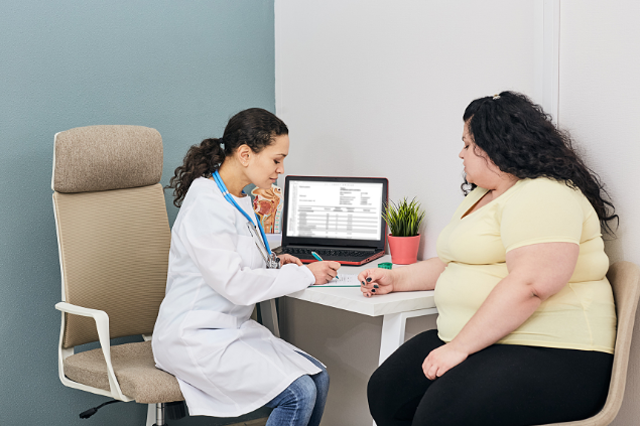
Calculate body mass index
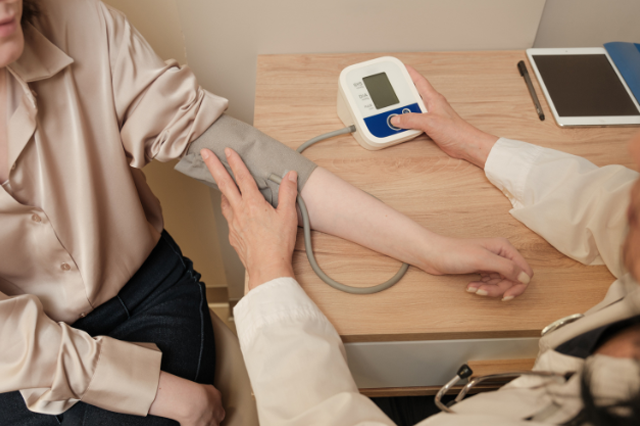
Measure blood pressure
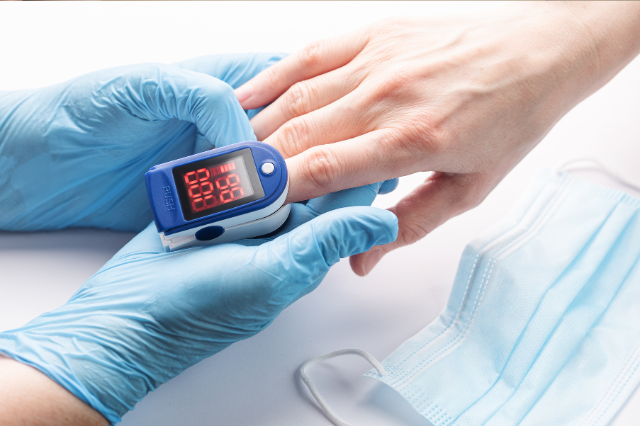
Measure pulse rate
Online Services and Technology
Modern GP practices are embracing online services and technology to enhance patient care and streamline access to medical services. Through secure patient portals, patients can book appointments, order repeat prescriptions, and view their medical records online, all from the comfort of their own home. Video consultations and secure messaging systems allow for direct communication with clinicians, improving engagement and reducing unnecessary waiting. Electronic health records ensure that all the information is up-to-date and easily accessible to the clinical team, supporting a full review of each patient’s health. By leveraging technology, GP practices can deliver improved quality of care, protect sensitive data, and respond quickly to patient needs, making healthcare more efficient and patient-friendly.
The Role of GP Practices in Healthcare
GP practices are central to the UK healthcare system, providing a wide range of primary care services that support the health of the community. They play a key role in the prevention, diagnosis, and management of chronic conditions such as asthma, diabetes, and hypertension, offering patients ongoing support and education. Clinicians regularly review patient information and decide on the timing and type of assessments or interventions based on these ongoing evaluations. By working in partnership with other NHS services and healthcare professionals, GP practices ensure that care is coordinated and tailored to each patient’s needs. It is also important for patients to report how they feel, especially if symptoms worsen, so timely care can be provided. Their commitment to quality, security, and patient-centred care helps to improve health outcomes and reduce the burden on hospitals. Whether through face-to-face appointments, online services, or proactive monitoring, GP practices continue to adapt and innovate, ensuring that patients receive the best possible care at every stage of their health journey.
Available to GPs and hospitals on a free no-obligation, one month free trial.